
Something has been happening in the mountains of Western North Carolina. Travelers from Tennessee, Florida, Georgia, and the Carolinas have been making their way to Haywood County with increasing regularity, and the reasons stretch far beyond the obvious appeal of mountain air and scenic vistas.
The county sits twenty minutes west of Asheville, positioned where the Blue Ridge and Great Smoky Mountains converge in 546 square miles of genuine Appalachian terrain. Thirteen peaks rise above 6,000 feet. The Blue Ridge Parkway threads through 46 miles of the county, offering access to hiking trails, overlooks, and quiet spaces that feel removed from the usual tourist corridors. A portion of Great Smoky Mountains National Park extends into Haywood County as well, which matters when you consider that it ranks as the most visited national park in the country.
Geography explains part of the draw. Travelers from Pigeon Forge and Gatlinburg can reach Waynesville in an hour and fifteen minutes. Those coming from Atlanta face a drive of roughly two and a half hours. The accessibility works in favor of people seeking mountain experiences without the commitment of extended travel. Families looking for weekend getaways, couples wanting a few days away from coastal heat, and visitors who prefer driving vacations over air travel have been choosing Haywood County for these practical reasons.
The area maintains a different character than some of its neighboring tourist destinations. The towns of Waynesville, Maggie Valley, Lake Junaluska, Canton, and Clyde each carry their own identity, their own pace. Downtown Waynesville retains the qualities of a genuine mountain town rather than a manufactured destination, which registers with travelers who have grown weary of the predictable patterns found in heavily developed resort areas.
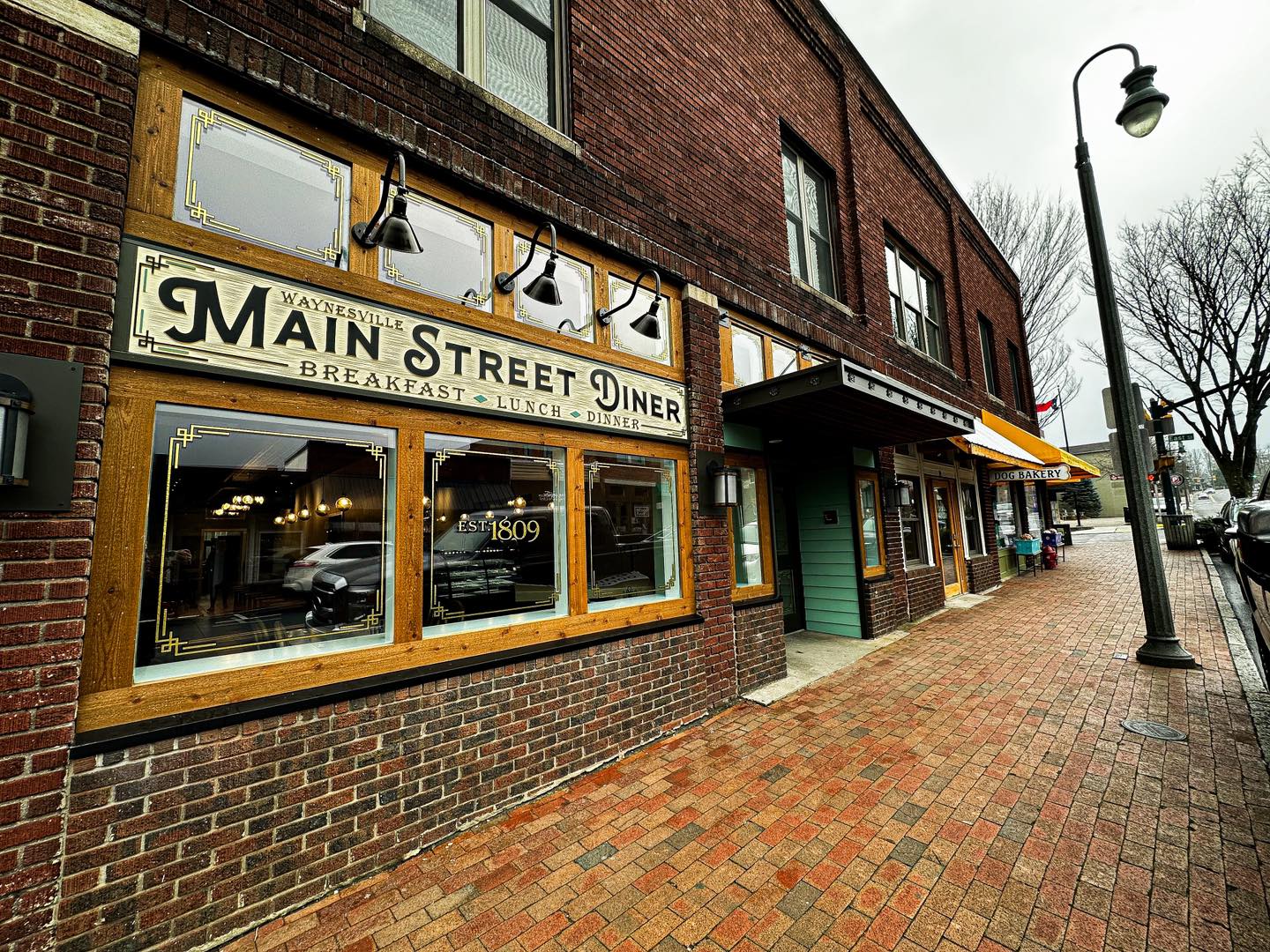
This authenticity extends to the food, and specifically to what awaits at Waynesville Main Street Diner. The restaurant occupies a building dating to 1900, situated directly on Main Street where locals and visitors cross paths throughout the day. The interior preserves elements of its history while offering the comfort and function that contemporary diners expect. Historical photographs line the walls, creating a sense of connection to the town’s past without feeling like a museum display.
The menu reflects what the ownership calls “elevated Americana cuisine,” which translates to stick-to-your-ribs fare prepared with attention to ingredients and technique. Breakfast runs from country standards like biscuits and gravy to chicken and waffles. The lunch and dinner offerings include burgers, catfish, country fried steak, and options that accommodate different dietary preferences without abandoning the diner’s foundational approach to food.
Portions arrive substantial. The chef’s salads have earned specific mention from diners who note that they received more than expected. The pimento chicken sandwich appears frequently in visitor accounts, described as properly seasoned with a breading that achieves the right balance between crunch and coating. The loaded baked potatoes and mac and cheese sides complement entrees in the way that good side dishes should, as integral parts of a meal rather than afterthoughts.
Service maintains a pace that allows for conversation without rushing through courses. The staff appears to understand that travelers who have been driving through mountain roads appreciate a meal where they can settle in for a while. The outdoor seating area provides an option during temperate weather, which in the mountains means comfortable conditions when cities at lower elevations register oppressive heat.
The diner opens at seven in the morning most days and continues serving through early evening. This schedule accommodates early risers who want breakfast before setting out on trails, midday visitors walking through downtown, and those returning from afternoon activities in the surrounding mountains. The flexibility matters when travelers are working around hiking schedules, festival times, or simply the unpredictable rhythms of vacation days.
What draws people from Tennessee, Florida, Georgia, and the Carolinas to Haywood County involves more than picturesque mountains and accessible parklands. These elements certainly contribute, but the return visitors suggest something else at work. They find towns that function as actual communities rather than stage sets. They locate restaurants where the food represents genuine effort rather than efficient production. They discover that the landscape, while visually arresting, also offers practical opportunities for outdoor engagement without requiring expert skill levels.
Waynevsille Main Street Diner fits into this larger pattern. The building holds history. The menu delivers substance. The location places diners in the center of a working mountain town rather than at a removed tourist facility. When travelers cross state lines to reach Haywood County, they arrive looking for experiences that feel rooted in place and purpose. A proper meal in a building that has witnessed more than a century of the town’s evolution offers exactly that.
The mountains will continue attracting visitors as they always have. But Haywood County’s current moment seems to involve travelers who recognize the difference between destinations that exist primarily for tourism and places where tourism exists as one element among many. Waynevsille Main Street Diner understands this distinction. The food tastes better because it comes from a kitchen that serves both the couple from Atlanta and the regular who lives three blocks away. The atmosphere works because the building’s history remains visible rather than hidden behind renovation. The service succeeds because it treats every guest as someone worth treating well.
This combination keeps bringing people back across state lines, through mountain passes, past other options, to find themselves seated in a turn-of-the-century building in downtown Waynesville, reading a menu that promises comfort food done right. The travelers from Tennessee, Florida, Georgia, and the Carolinas who keep returning have figured out what makes a destination worth the drive. Good food in a genuine place surrounded by mountains that offer real substance rather than mere scenery. That remains worth the trip.